
If you have vitiligo and you’re not sleeping well, you may not be imagining the link. Recent research has found that nearly half of all vitiligo patients also suffer from insomnia — and in many cases, the vitiligo itself is the cause.
This is not a coincidence. It is a cycle worth understanding.
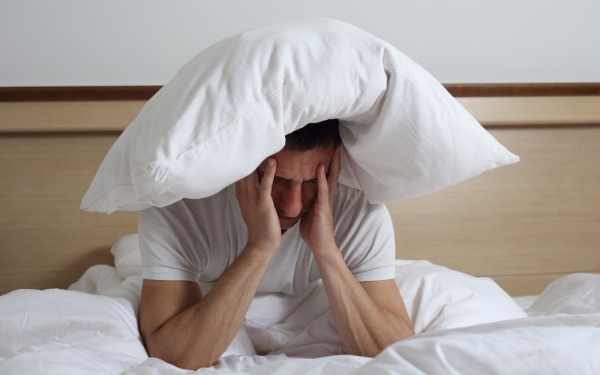
Why Sleep and Vitiligo Are Connected
Vitiligo is an autoimmune condition. Your immune system produces inflammatory responses that affect melanocyte cells — the cells responsible for your skin’s pigmentation. What researchers have now established is that this same immune activity also disrupts sleep.
Inflammatory markers in the body — particularly certain cytokines — play a role in both vitiligo activity and sleep regulation. When those markers are elevated, your sleep suffers. And when your sleep suffers, your immune system becomes less regulated, which can in turn accelerate the spread of vitiligo.
In short: poor sleep can make your vitiligo worse, and vitiligo can make your sleep worse. Understanding this cycle is the first step to breaking it.
The Emotional Layer
There is also a psychological dimension that cannot be ignored. Living with a visible skin condition affects confidence and self-image. Many vitiligo patients experience anxiety and depression at significantly higher rates than the general population. These conditions are well-known contributors to sleep disruption. Read more about the connection between vitiligo and mental health.
The stress of managing a chronic condition — worrying about spread, feeling self-conscious, navigating other people’s reactions — adds a daily emotional load that follows many patients to bed.
What You Can Do
The good news is that some of this is within your control.
Managing stress directly impacts both your sleep quality and your vitiligo activity. Simple, consistent practices make a real difference: a regular sleep schedule, limiting screen time before bed, gentle evening routines, and finding ways to decompress after a stressful day.
Nutritionally, Vitilox Vitamin B12 & Folic Acid supplements support immune function and are known to help with stress regulation — both of which feed directly into your ability to sleep and the stability of your vitiligo.

Consistency in your topical treatment also matters. Patients who apply Vitilox Pigmentation Cream regularly and see gradual progress often report reduced anxiety around their condition, which naturally supports better sleep over time.

The Takeaway
Treating vitiligo is not only about what you apply to your skin. It is about managing the whole picture — your immune health, your stress levels, your sleep, and your emotional wellbeing.
Struggling with sleep when you have vitiligo is more common than most people realise, and it deserves to be taken seriously as part of your overall treatment plan.
As always, please don’t hesitate to contact us if you require any further information about vitiligo and treatment options.
We offer a free assessment so that we can understand which treatment plan works best for you 🔗 vitilox.com/vitiligo-assessments/
Vitilox® Global Store: https://vitilox.com/vitiligo/